
How Does Green Belt Planning
Affect Your Project?
27 November 2026 · 5 min read
Green Belt land is protected to prevent towns and cities from expanding into surrounding countryside. However, if you’re considering building a new home, extending an existing property or replacing a dwelling within a Green Belt area, there are some additional planning considerations to understand.
While development can be more restricted, being within Green Belt doesn’t necessarily mean your project is off limits.
What is Green Belt land?
Green belt land is designated to protect open spaces, preserve the character of the countryside and prevent neighbouring towns and cities from merging together.
There are Green Belt areas across England, properties within these areas are subject to additional planning policies, which can influence what changes or development may be permitted.
Can you build on Green Belt land?
Building a completely new home on undeveloped Green Belt land can be challenging as new buildings are generally restricted. However, certain types of development may be considered acceptable.
These can include:
- Extensions & alterations – changes to existing homes, provided they do not result in a disproportionate increase in size.
- Replacement dwellings – replacing an existing property provided the new building meets the relevant planning requirements.
- Reuse of existing buildings – certain existing buildings may be suitable for a change of use.
- Redevelopment – some previously developed sites may offer opportunities for new development.
Every proposal is assessed individually, taking into account the site, design and its impact on the surrounding area.
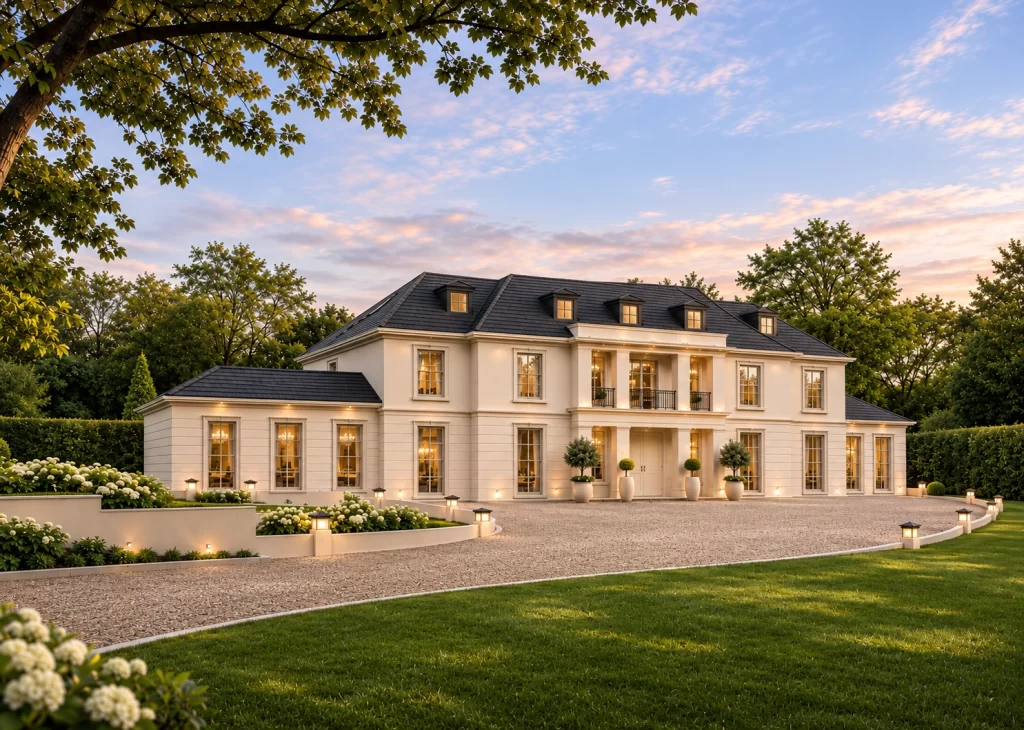
How can Green Belt restrictions affect your design?
Green Belt planning policies place importance on protecting the openness of surrounding land. This means the size and impact of proposed development are important considerations.
For extensions, planning authorities will generally look at whether the changes would result in a disproportionate increase in the size of the original building. For replacement homes, proposals are usually expected to avoid being materially larger than the existing property.
The way a building sits within its surroundings, including its openness and the character of the area, can also influence planning decisions.
Understanding these requirements can help shape proposals that make the most of a property’s potential while respecting its setting.
Why is early planning advice important?
Before committing to a design or purchasing a property with development potential, it’s worth understanding what may realistically be acheivable.
An architect can help assess your property or building plot, identify potential planning constraints and explore suitable design options.
Taking this approach early on can help avoid unnecessary work and give your project a clearer direction from the beginning.
Making the most of your Green Belt property
Being within the Green Belt can offer exciting opportunities for those looking to create a new home or improve an existing property.
With the right understanding of the site and planning policies, it is possible to explore a range of design possibilities while responding to the surrounding landscape.
Whether your considering a replacement dwelling or extension on Green Belt land, our team can help you explore the potential of your property and guide you through the next steps.
Considering a Project Within the Green Belt?
Whether you’re considering a new home, an extension or a replacement dwelling, our team can help you explore the possibilities and navigate the planning process with confidence!